How to Clean Velvet Upholstery Safely - Get Expert Help Today
Velvet needs more care than many ordinary furniture fabrics. Its soft, raised surface can show pressure marks, uneven shading and water rings if treated incorrectly. Start with gentle dry methods, such as light vacuuming with a suitable upholstery attachment. Avoid hard rubbing and use moisture only when the manufacturer allows it.
The safest answer to how to clean velvet upholstery is to check the care instructions before treating a mark. Blot fresh spills, test any permitted cleaner in a hidden area and allow the test patch to dry before continuing. A method that suits one velvet sofa may damage another.
For Bradford homeowners, this guide explains how to protect the pile, manage small spills and recognise when professional advice is the better next step.
How to Clean Velvet Upholstery
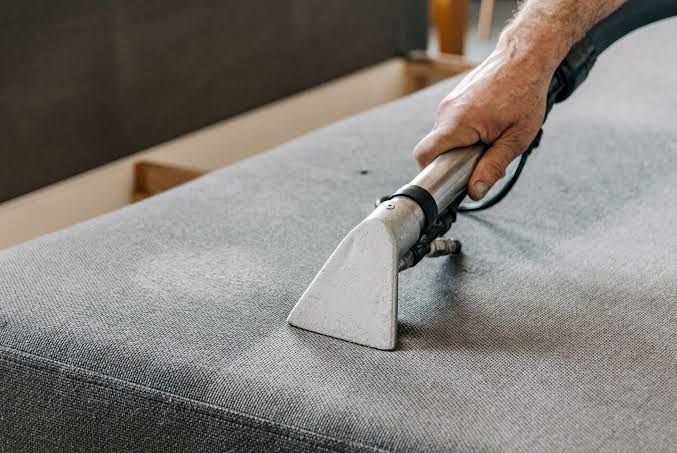
Begin by checking whether the problem is loose dust, a fresh spill, a dried stain or flattened pile. These can look similar, but they need different responses. A dark patch that changes as you walk around the sofa may be shading rather than dirt.
Read the furniture label, remove loose debris gently and inspect the affected area in good light. If the manufacturer permits spot cleaning, test the specified product and method somewhere discreet before treating visible fabric.
Understanding
how to clean velvet upholstery also means knowing when to stop. If colour transfers, the texture changes or a damp mark spreads, do not keep applying cleaner. More treatment can make a small problem harder to correct.
Why Velvet Needs Special Care
Velvet has a raised surface called the pile. These short fibres give it a soft feel and reflect light differently depending on their direction. This is why the same cushion can appear lighter from one side and darker from another.
Pressure and rubbing can disturb that surface. A heavy object left on a seat may flatten the pile, while repeated scrubbing can leave a patch that looks different even after the original stain has gone.
Good
velvet sofa care protects the texture as well as the colour. Before treating an apparent stain, look at it from several angles. Natural shading should not be mistaken for dirt that needs stronger cleaning.
Help Centre.
Different Types of Velvet
Velvet describes a fabric construction, rather than one particular fibre. It can contain silk, cotton, synthetic fibres or a mixture. The Wikipedia explanation of velvet provides useful background on its structure and varieties.
Cotton Velvet
Cotton velvet often has a soft, less glossy appearance. Do not assume that it can be washed simply because cotton clothing is washable. Upholstery backing, finishes and cushion construction also affect cleaning suitability.
Silk and Viscose Velvet
Silk velvet and velvet containing viscose deserve particular caution. If you are unsure about their care requirements, ask the manufacturer or a cleaner familiar with delicate upholstery before attempting stain removal.
Synthetic and Performance Velvet
Some synthetic velvets have specific cleaning treatments that allow limited water cleaning. Others have different restrictions. The word “performance” does not replace the care instructions.
Choosing
how to clean velvet upholstery by appearance alone is unreliable. Check the exact fabric specification whenever possible.
Check the Manufacturer Instructions
Look underneath the furniture, beneath removable cushions or in the paperwork supplied when you bought it. If the label is missing, ask the retailer for the care guide using the model name and order details.
Some furniture uses cleaning codes. W generally indicates a permitted water based cleaning method. S indicates a suitable solvent method. WS allows either specified approach, while X normally limits home care to vacuuming or gentle brushing.
These codes are not permission to soak the fabric or use any product within a broad category. Detailed manufacturer instructions still matter, and an S code does not make household solvents suitable.
Keep a photograph of the label on your phone. It makes choosing products and requesting professional advice much easier, especially when the original paperwork is difficult to find.
How to Vacuum Velvet
Gentle vacuuming helps remove loose dirt before it is pressed further into the furniture. Check that your upholstery attachment is clean, smooth and suitable for delicate fabric.
Use reduced suction where your vacuum allows it. Make light passes in the direction of the pile rather than pressing the nozzle firmly into the cushion. Avoid powered rotating brushes unless the furniture manufacturer specifically approves them.
Pay attention to the seat, back, arms and accessible seams. Lift removable cushions only where the furniture design allows it, and avoid catching piping or loose threads.
For regular
velvet furniture cleaning, adjust your routine to actual use. A busy family sofa may collect crumbs and pet hair sooner than an occasional bedroom chair. Gentle maintenance is preferable to waiting until debris becomes deeply embedded.
How to Brush the Velvet Pile
Brushing may help remove light surface dust and tidy the pile when the care guide permits it. Choose a soft upholstery brush or a velvet brush recommended for the fabric.
First, establish which direction the pile naturally lies. On an inconspicuous area, very lightly move your hand across the surface and notice which direction feels smoother. Brush gently along that direction.
Work in short, light strokes without repeatedly brushing the same patch. A stiff household brush can be too harsh, particularly around worn areas.
Do not brush through fresh spills, sticky residue or damp stains. That can spread contamination. If brushing produces no improvement, stop rather than increasing the pressure. Flattening, wear and staining cannot always be corrected in the same way.
What to Do When Something Is Spilled
Act promptly, but avoid grabbing the nearest cleaning spray. Remove loose solids carefully with a spoon, lifting them away instead of pushing them into the pile.
For liquid, place a clean white absorbent cloth against the spill and lift it gently. Move to a dry part of the cloth as it becomes wet. Avoid pressing hard enough to push the liquid into the cushion.
Do not add water until you have checked whether it is allowed. Some velvet care guides explicitly advise blotting without detergents or added liquid.
When learning
how to clean velvet upholstery, remember that the first aim is to limit the spill. Removing the remaining stain is a separate decision that depends on the fabric and the substance involved.
How to Blot Velvet Correctly
Blotting means placing an absorbent cloth against the mark and lifting it away. It does not mean wiping backwards and forwards.
Use a white cloth so you can see what is transferring. A coloured cloth may also introduce unwanted dye, particularly when damp.
Start around the outside of the affected area and work towards the centre. Keep the movement small and controlled. Refold or replace the cloth as needed so you are not returning the spill to the fabric.
For example, if tea lands on a velvet chair, absorb the liquid before considering any cleaning product. If a mark remains, consult the care instructions. Adding washing up liquid immediately may introduce residue or moisture that the fabric cannot tolerate.
Cleaning Small Marks
Small marks still need a cautious approach. A tiny grease spot, a dried drink stain and a dusty patch may require completely different treatment.
If the care guide allows spot cleaning, use the specified cleaner and dilution. Do not make the solution stronger because the stain looks stubborn. Apply it using the method the manufacturer describes.
Test the treatment on a hidden part of the same upholstery fabric. Let it dry fully, then check for colour change, stiffness, rings and altered pile. A wet test patch can hide changes that become visible later.
A successful test reduces uncertainty but does not guarantee every stain will respond safely. Stop if the visible area reacts differently.
Knowing
how to clean velvet upholstery includes resisting repeated attempts. If one careful, approved treatment makes no useful difference, seek advice before adding another product.
Why You Should Avoid Scrubbing
Scrubbing places friction directly on the raised fibres. Even when it removes some dirt, it can leave a rough, flattened or uneven surface behind.
This creates a confusing result. The original stain may become less visible, but the cleaned patch may now catch the light differently from the surrounding fabric.
Avoid abrasive sponges, stiff brushes and vigorous towel rubbing. Repeated wiping with a soft cloth can also become abrasive when enough pressure is applied.
With
velvet upholstery stains, separate removable contamination from physical damage. A cleaner may be able to treat residue, but cleaning cannot replace fibres that have worn away. Protecting the surrounding fabric matters more than forcing a stubborn mark to disappear.
How Water Can Affect Velvet
Water is not suitable for every velvet fabric. Some upholstery is specifically designed for limited water cleaning, while other furniture comes with instructions to avoid it. Certain Aquaclean velvet products, for example, have their own water cleaning directions. Those directions should not be applied to unrelated velvet furniture.
Excess moisture can reach beyond the pile into the backing and padding. Depending on the construction, this may contribute to uneven drying, changes in texture or movement of colour and residue.
A small surface mark therefore does not justify soaking a whole cushion.
The question of
how to clean velvet upholstery with water should always begin with “Does this particular fabric allow it?” If you cannot confirm that, continue with permitted dry care and ask for advice.
Velvet Upholstery Cleaning in Bradford
For local help, contact Jimmy's External Cleaning Services about upholstery cleaning in Bradford. The company offers upholstery cleaning for sofas, armchairs and dining chairs. Confirm suitability for your particular velvet before booking, especially if it contains delicate fibres or has restrictive care instructions.
To make your enquiry useful, send a photograph of the whole item, a close view of the problem and a clear image of the care label. Include your Bradford postcode and details of any previous treatment.
If you want to clean velvet chair upholstery after a spill, explain whether the mark affects only the seat or extends to the back and sides. For a sofa, mention whether the cushions are fixed or removable.
Call
01274 003022 to discuss your furniture and request a quote. Check the proposed cleaning method and drying arrangements before agreeing to the work.
Frequently Asked Questions
Can velvet upholstery be cleaned with water?
Only when the manufacturer permits it. Some velvet fabrics allow controlled water cleaning, while others may develop marks or texture changes. Check the instructions for the exact furniture, test the approved method discreetly and avoid soaking the fabric.
Can you vacuum velvet?
Yes, when its care instructions allow it. Use a clean, suitable upholstery attachment and gentle suction. Make light passes in the direction of the pile without pressing the nozzle into the surface. Take extra care around seams, piping and loose threads.
What happens if velvet gets too wet?
Excess moisture can spread into the backing and filling, making drying slower and increasing the chance of rings or other changes. Blot excess liquid gently, allow airflow and seek advice if the cushion is saturated. Avoid adding more products.
How to clean velvet upholstery without leaving marks?
Start with the care label and use the least intensive permitted method. Remove loose dust, blot spills and test any approved cleaner in a hidden area. Let that test dry fully. No home method can guarantee a mark free result on every velvet.
Can you steam clean a velvet sofa?
Only if the manufacturer approves the specific process. Steam used to lift compressed pile is different from cleaning with an extraction machine. Both introduce moisture, and their suitability depends on the furniture. Do not choose a method based on the word “velvet” alone.
Can washing up liquid remove velvet upholstery stains?
It may be permitted for some fabrics, but it is not a general recommendation. Other velvet care guides prohibit detergents. Follow the approved product instructions rather than an improvised recipe, because residue and excess moisture can create additional problems.
Why does velvet look patchy after cleaning?
The pile may be lying in different directions, or the area may still be damp. Other possibilities include residue, water marks, dye movement or physical damage. Wait until it is fully dry before judging the result, and avoid repeatedly treating the patch.
Can I wash removable velvet cushion covers?
Only if the label explicitly permits washing. A zip does not confirm that the cover is machine washable. Check the washing and drying instructions together, since an unsuitable process may affect the fit, colour or surface texture.